
An implant that loosens, becomes infected, or never fully integrates can turn into an unexpected setback. You might be noticing pain that won’t go away, movement where there should be stability, or swelling that signals something’s off. Whatever’s happening, you’re probably wondering if this means starting over, or worse, if implants just aren’t going to work for you. The truth is, implant failure is more common than most people realize, and it’s rarely the end of the road.
At Alta Dental Group in Irvine, we specialize in helping patients navigate failed implant situations with a clear plan and realistic expectations. We don’t just remove the failed implant and hope for better results next time. We dig into what went wrong, address the root causes, and rebuild a foundation that supports long-term success. Whether you need bone grafting, treatment for an infection, or a different approach to dental implant placement, we’ll walk you through every step and ensure you understand what’s happening and why.
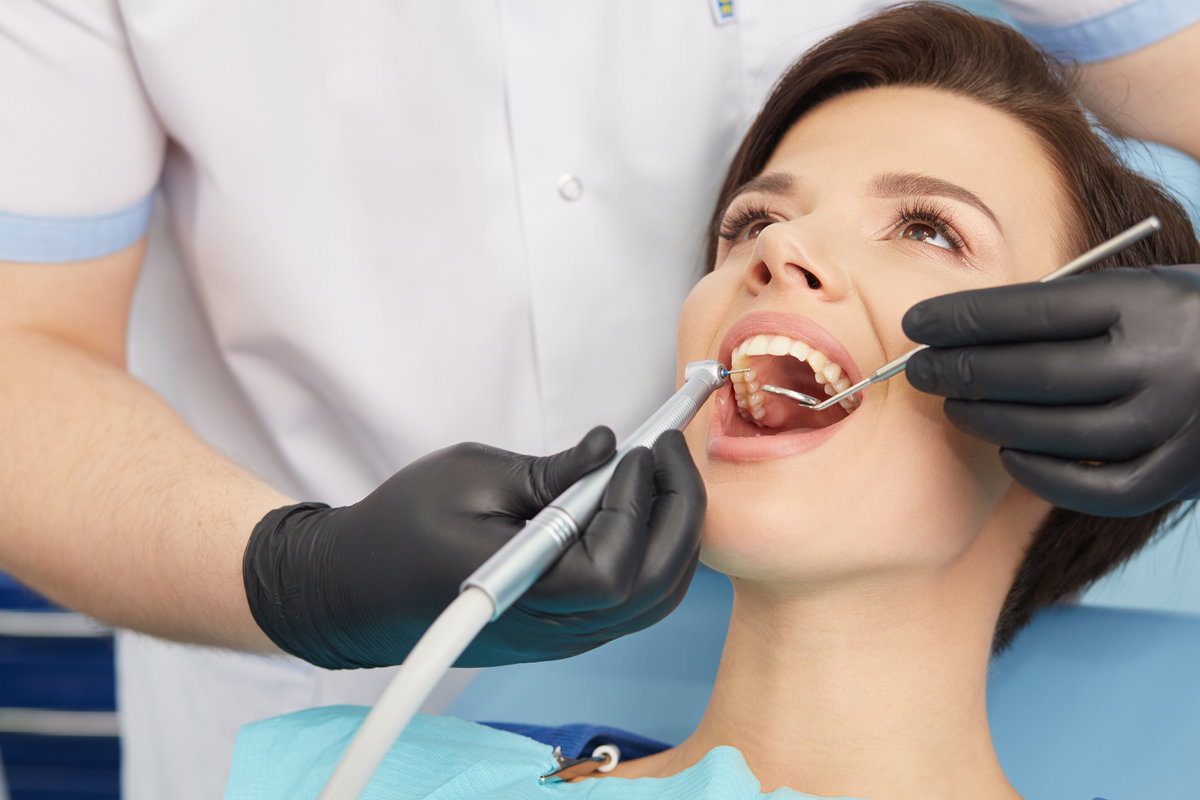

Understanding why an implant failed helps us create a better treatment plan moving forward. Common causes include:
Your implant failure doesn’t define your options. It gives us insight into what needs to change for a successful outcome the next time.
Failed implant treatment isn’t one-size-fits-all. It depends on when the failure occurred, what caused it, and the current state of your bone and gums. Here’s what the process typically involves:
We’ll conduct a thorough examination, including digital imaging, to assess bone health, tissue condition, and the extent of any infection or inflammation. Understanding why your implant failed is crucial to planning a successful replacement.
If the failed implant hasn’t already come out on its own, we’ll remove it carefully to minimize trauma to the neighboring bone and tissue.
Many failed implant cases require bone grafting to rebuild lost bone volume before placing a new implant. Grafting creates a strong foundation and improves long-term success rates. Healing from a bone graft can take several months, but it’s worth the investment.
Before moving forward with a new implant, we need to resolve any contributing factors; whether that’s treating infection, improving oral hygiene, managing medical conditions, or adjusting bite forces.
Once your bone and tissues have healed, we can place a new implant. Timing varies based on your healing progress, but proper preparation significantly improves the likelihood of successful integration this time around.
Not every failed implant requires grafting or a lengthy timeline. Some patients can proceed with replacement fairly quickly, while others benefit from a phased approach. We’ll create a treatment plan specific to your situation.

In most cases, yes. The key is to identify what went wrong and correct those factors before attempting another implant. Research from the National Institutes of Health shows that reimplanted dental implants have a one-year survival rate of 89.4% when proper protocols are followed. Replacement success rates are high when adequate healing time is allowed, bone quality is restored, and contributing issues are addressed.
Some patients worry that one failure means implants aren’t viable for them. That’s rarely true. Often, failed implants are due to correctable issues like insufficient bone, infection, or positioning problems, rather than biological incompatibility. With the right preparation and technique, many patients who experience initial failure go on to have successful, long-lasting implant restorations.
If you’ve experienced implant failure, you’re likely a candidate for replacement treatment, especially if:
Even if your first implant attempt didn’t go as planned, that doesn’t disqualify you from trying again. It just means we need a more tailored approach based on what we’ve learned from the failure.
If your dental implant has failed or you’re experiencing complications like pain, mobility, or infection, don’t wait for the problem to worsen. Early intervention gives us the best chance to preserve your bone structure and plan for successful replacement. At Alta Dental Group in Irvine, we’ll conduct a thorough evaluation to determine the cause of the failure and the next steps before moving forward. Our team will walk you through every option, answer all your questions, and create a treatment timeline that works for your schedule and budget.
You deserve a second chance at a permanent solution, and we’re here to make that happen. Contact Alta Dental Group today to schedule your consultation. We’ll provide honest answers about your situation, explain the steps involved in failed implant treatment, and help you move forward with confidence. We’re ready to help you achieve the stable, functional restoration you’ve been working toward.
Address
2500 Alton Parkway Suite 200, Irvine, CA 92606, US
Business Hours
Monday - Sunday Appointments only
