
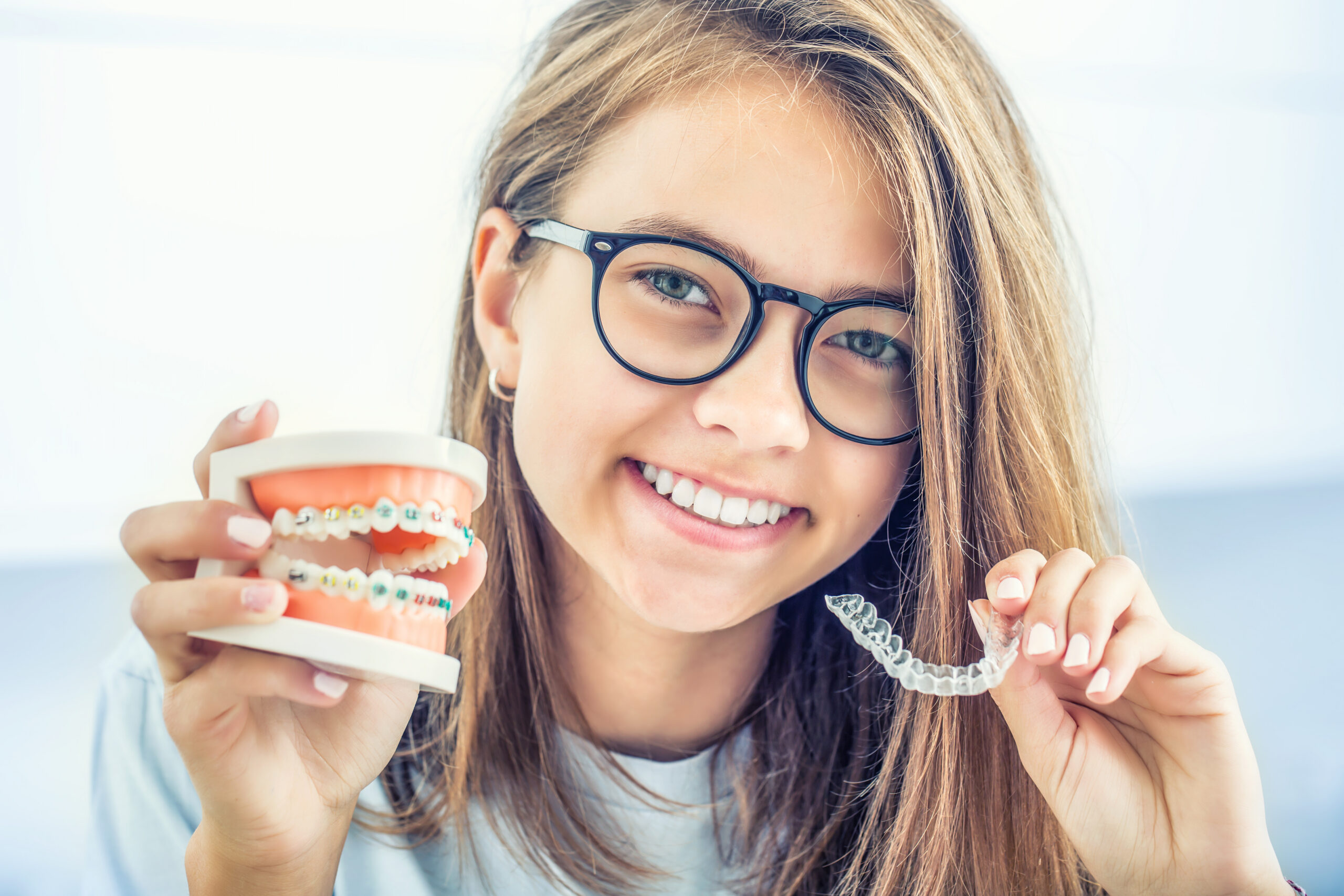
Choosing between Invisalign and traditional braces can feel overwhelming when you want the best results for your smile. Both orthodontic treatments effectively straighten teeth and correct bite issues, but they work in different ways and suit different lifestyles. Understanding the key differences helps you make an informed decision about which option best suits your needs, preferences, and daily routine.
At Alta Dental Group, we offer both clear aligners and traditional braces to help patients in Irvine and Chula Vista achieve beautiful, healthy smiles. Our trusted team takes time to evaluate your specific orthodontic needs with advanced technology and discuss which treatment option can deliver the results you’re looking for. We believe everyone deserves personalized care that fits their lifestyle and goals.
How Each Treatment Works
Invisalign uses a series of clear, removable aligners custom-made to gradually shift your teeth into their desired positions. You wear each set of aligners for about one to two weeks before switching to the next set in the series. The aligners apply gentle, consistent pressure to move teeth incrementally over time.
Traditional braces consist of metal or ceramic brackets bonded to your teeth, connected by wires and elastic bands. Your orthodontist adjusts the wires during regular appointments to guide teeth into proper alignment. Both methods rely on controlled force to move teeth, but they differ significantly in appearance, maintenance, and daily wear.
What to Consider When Choosing Between Invisalign and Traditional Braces
Several factors should guide your choice between these two orthodontic treatments. Each consideration plays an important role in determining which option best fits your unique situation and goals.
Treatment Complexity and Duration
The length of orthodontic treatment varies based on the complexity of your case. Invisalign typically takes 12 to 18 months for mild to moderate alignment issues, while traditional braces usually require 18 to 24 months, though complex cases may take longer. Fixed metal braces are best for severe malocclusions compared to removable aligners. Invisalign works well for mild to moderate spacing, crowding, and bite issues, but may not be suitable for all orthodontic challenges.
Appearance and Visibility
Invisalign aligners are made of clear plastic, making them nearly invisible when worn. Most people won’t notice you’re undergoing orthodontic treatment unless they look closely at your teeth. Traditional braces are more noticeable, with metal brackets and wires visible on the front of your teeth. Ceramic braces offer a less conspicuous alternative, using tooth-colored brackets that blend with your natural enamel, though even ceramic options remain more visible than clear aligners.
Daily Maintenance and Oral Hygiene
You can remove your Invisalign when you eat, drink anything other than water, brush, and floss. This removability makes maintaining oral hygiene straightforward, allowing you to brush and floss normally without having to navigate around brackets and wires. You can also enjoy all your favorite foods without restrictions. However, you should wear your aligners 20-22 hours a day for optimal results.
Traditional braces require more careful oral hygiene because food particles and plaque can easily become trapped around brackets and wires. You’ll need to avoid sticky, hard, and chewy foods that can damage brackets or get stuck in wires.
Choosing between Invisalign and traditional braces can feel overwhelming when you want the best results for your smile. Both orthodontic treatments effectively straighten teeth and correct bite issues, but they work in different ways and suit different lifestyles. Understanding the key differences helps you make an informed decision about which option best suits your needs, preferences, and daily routine.
At Alta Dental Group, we offer both clear aligners and traditional braces to help patients in Irvine and Chula Vista achieve beautiful, healthy smiles. Our trusted team takes time to evaluate your specific orthodontic needs with advanced technology and discuss which treatment option can deliver the results you’re looking for. We believe everyone deserves personalized care that fits their lifestyle and goals.
How Each Treatment Works
Invisalign uses a series of clear, removable aligners custom-made to gradually shift your teeth into their desired positions. You wear each set of aligners for about one to two weeks before switching to the next set in the series. The aligners apply gentle, consistent pressure to move teeth incrementally over time.
Traditional braces consist of metal or ceramic brackets bonded to your teeth, connected by wires and elastic bands. Your orthodontist adjusts the wires during regular appointments to guide teeth into proper alignment. Both methods rely on controlled force to move teeth, but they differ significantly in appearance, maintenance, and daily wear.
What to Consider When Choosing Between Invisalign and Traditional Braces
Several factors should guide your choice between these two orthodontic treatments. Each consideration plays an important role in determining which option best fits your unique situation and goals.
Treatment Complexity and Duration
The length of orthodontic treatment varies based on the complexity of your case. Invisalign typically takes 12 to 18 months for mild to moderate alignment issues, while traditional braces usually require 18 to 24 months, though complex cases may take longer. Fixed metal braces are best for severe malocclusions compared to removable aligners. Invisalign works well for mild to moderate spacing, crowding, and bite issues, but may not be suitable for all orthodontic challenges.
Appearance and Visibility
Invisalign aligners are made of clear plastic, making them nearly invisible when worn. Most people won’t notice you’re undergoing orthodontic treatment unless they look closely at your teeth. Traditional braces are more noticeable, with metal brackets and wires visible on the front of your teeth. Ceramic braces offer a less conspicuous alternative, using tooth-colored brackets that blend with your natural enamel, though even ceramic options remain more visible than clear aligners.
Daily Maintenance and Oral Hygiene
You can remove your Invisalign when you eat, drink anything other than water, brush, and floss. This removability makes maintaining oral hygiene straightforward, allowing you to brush and floss normally without having to navigate around brackets and wires. You can also enjoy all your favorite foods without restrictions. However, you should wear your aligners 20-22 hours a day for optimal results.
Traditional braces require more careful oral hygiene because food particles and plaque can easily become trapped around brackets and wires. You’ll need to avoid sticky, hard, and chewy foods that can damage brackets or get stuck in wires.
Comfort Level
Invisalign aligners may cause slight discomfort when you switch to a new set, but most patients adjust within a day or two. The smooth plastic doesn’t irritate your cheeks, lips, or tongue. Traditional braces can feel uncomfortable initially and after adjustment appointments, as the brackets and wires may rub against the inside of your mouth. Orthodontic wax helps protect sensitive areas, but some discomfort is normal during treatment.
Cost and Payment Options
Invisalign and traditional braces cost roughly the same, typically ranging from $3,000 to $8,000, depending on treatment complexity and duration. Many dental insurance plans cover a portion of orthodontic treatment for both options. We offer flexible financing through CareCredit to make treatment affordable. We also accept HSA and FSA payments to help manage costs.
Lifestyle Factors
Consider how each treatment fits your daily life and personal responsibilities. Athletes who play contact sports may find Invisalign more practical because they can remove aligners during games, while many patients appreciate the freedom to remove aligners for important events, photos, or presentations.
Teenagers may struggle with the responsibility of wearing and caring for removable aligners, while adults often prefer Invisalign’s discretion for professional and social settings. Our cosmetic dentistry services also include options for smile enhancement after orthodontic treatment.
Get the Right Orthodontic Treatment at Alta Dental Group
Both Invisalign and traditional braces can transform your smile when used appropriately for your specific needs. Dr. Ashtiani brings years of experience helping patients achieve straight, healthy teeth through personalized orthodontic care. We use advanced technology, including digital impressions and CBCT scanning, to plan your treatment precisely.
Whether you choose clear aligners or traditional braces, our team provides comprehensive support throughout your orthodontic experience. Contact us today to schedule a consultation and discover which option can help you achieve the confident smile you deserve.
Invisalign aligners may cause slight discomfort when you switch to a new set, but most patients adjust within a day or two. The smooth plastic doesn’t irritate your cheeks, lips, or tongue. Traditional braces can feel uncomfortable initially and after adjustment appointments, as the brackets and wires may rub against the inside of your mouth. Orthodontic wax helps protect sensitive areas, but some discomfort is normal during treatment.
Cost and Payment Options
Invisalign and traditional braces cost roughly the same, typically ranging from $3,000 to $8,000, depending on treatment complexity and duration. Many dental insurance plans cover a portion of orthodontic treatment for both options. We offer flexible financing through CareCredit to make treatment affordable. We also accept HSA and FSA payments to help manage costs.
Lifestyle Factors
Consider how each treatment fits your daily life and personal responsibilities. Athletes who play contact sports may find Invisalign more practical because they can remove aligners during games, while many patients appreciate the freedom to remove aligners for important events, photos, or presentations.
Teenagers may struggle with the responsibility of wearing and caring for removable aligners, while adults often prefer Invisalign’s discretion for professional and social settings. Our cosmetic dentistry services also include options for smile enhancement after orthodontic treatment.
Get the Right Orthodontic Treatment at Alta Dental Group
Both Invisalign and traditional braces can transform your smile when used appropriately for your specific needs. Dr. Ashtiani brings years of experience helping patients achieve straight, healthy teeth through personalized orthodontic care. We use advanced technology, including digital impressions and CBCT scanning, to plan your treatment precisely.
Whether you choose clear aligners or traditional braces, our team provides comprehensive support throughout your orthodontic experience. Contact us today to schedule a consultation and discover which option can help you achieve the confident smile you deserve.
